Acrylic (PMMA) Reflective Sheeting for Traffic Signs
Why traffic-sign films often use acrylic PMMA faces, how they differ from flexible PVC films, and TDS checks before export RFQs.
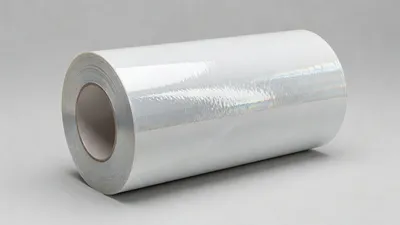
Why acrylic on traffic signs?
Acrylic (PMMA) faces are common on permanent traffic constructions for outdoor stability and legend performance on aluminum blanks. Competitor SKU tables often list acrylic/PMMA next to prismatic traffic grades.
Acrylic vs flexible faces
| Acrylic/PMMA | Flexible device films | |
|---|---|---|
| Use | Permanent signs | Delineators, wraps |
| Handling | Stiffer rolls | Bend/wrap oriented |
| Catalog | HIP / microprismatic traffic | Flexible film |
TDS checks
- Face family (acrylic/PMMA vs other)
- Adhesive type
- Approved print processes
- Durability per color
- ASTM/EN class from testing
Related pages
Related Reading
guides
Microprismatic Reflective Sheeting: Structure Grades and Uses
Microprismatic reflective sheeting explained: cube-corner structure vs glass bead which ASTM Types it covers and how to choose among traffic sign grades.
products
High Intensity Prismatic (HIP) Reflective Sheeting
HIP reflective sheeting for road and traffic signs: grade positioning, ASTM Type guidance, roll sizes, logistics fields, and an RFQ checklist.
products
Microprismatic Traffic Sign Reflective Sheeting
Microprismatic traffic sign sheeting for higher-performance permanent signs. Demo Type IV/VIII-class family fields, converting notes and RFQ checklist.
Was this helpful?
Thanks for your feedback.