Reflective Sheeting Structure vs ASTM Type
Why glass bead and microprismatic structure are not ASTM D4956 Types, how to read performance classes, and how to keep RFQs and catalog copy accurate.
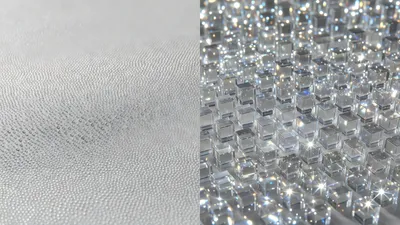
Is glass bead the same as ASTM Type I?
No. Glass bead / enclosed-lens and microprismatic / cube-corner describe optical structure. ASTM D4956 Type is a performance classification determined by testing. Final Type for a SKU follows its test report.
Two axes buyers mix up
| Axis | Examples | Use it for |
|---|---|---|
| Structure | Glass bead, microprismatic, cube corner | Manufacturing/optics discussion; secondary filter |
| Performance class | ASTM Type I, III, IV, VIII, IX, XI; EN RA1/RA2 | Specification, compliance, RFQ primary axis |
| Marketing grade | Engineer grade, HIP, microprismatic traffic | Catalog navigation labels |
Rules we enforce in every ReflectivePlus page
- Never write “glass bead = Type I”.
- Never use Diamond Grade as a generic category (3M trademark spanning multiple Types).
- RA1/RA2 are EN performance classes — name the standard/version.
- Print compatibility and outdoor durability are per SKU (and often per color/geometry).
- Every live SKU must publish Type via TDS/test report — demo pages mark placeholders clearly.
Catalog implication
ReflectivePlus uses performance grade as the primary category axis. Structure, application, processing, and size are facets and landing pages. That matches how export buyers arrive: with a Type/RA in hand.
Related
Related Reading
applications
Reflective Sheeting for North America: ASTM D4956 and MUTCD
Supplying reflective sheeting into the US and Canada: how ASTM D4956 Types map to sign programs, MUTCD context, common roll sizes, and what to confirm before RFQ.
applications
Reflective Sheeting for Traffic Signs
Application landing page for permanent traffic and street signs: suitable performance grades, substrates, specification checks, and RFQ fields.
guides
Glass Bead Reflective Sheeting: Structure and Use Cases
Glass-bead enclosed-lens sheeting explained versus microprismatic film, where engineer-grade fits, and how to avoid Type mistakes in RFQs.
Was this helpful?
Thanks for your feedback.