Microprismatic Reflective Sheeting: Structure Grades and Uses
Microprismatic reflective sheeting explained: cube-corner structure vs glass bead which ASTM Types it covers and how to choose among traffic sign grades.
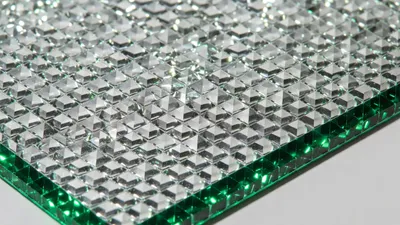
What is microprismatic reflective sheeting?
Microprismatic sheeting uses molded cube-corner prisms to return light, replacing the glass-bead optics of older engineer-grade films. The result is higher brightness at longer distances and wider angles — which is why most modern traffic-sign films are prismatic.
Structure tells you how, Type tells you how well
| Axis | What it answers | Examples |
|---|---|---|
| Structure | How light is returned | Glass bead (enclosed lens) vs microprismatic (cube corner) |
| Performance class | How well it performs in testing | ASTM Type III, IV, VIII, IX, XI |
Never equate the two: a prismatic film can sit in several different Types depending on its measured photometrics. Final classification always follows the SKU test report.
Where microprismatic films are used
- Permanent regulatory, warning and guide signs (microprismatic traffic family).
- Long-approach and overhead signs needing wide entrance angles (long-distance family).
- Fluorescent colorways for daytime conspicuity (fluorescent family).
Practical buying notes
Prismatic faces are stiffer than flexible films and have an orientation (prism axis) that matters for uniform appearance on multi-panel signs. Screen printing is common; UV digital depends on the face construction. Check both on the TDS.
Related pages
Related Reading
applications
Reflective Sheeting for North America: ASTM D4956 and MUTCD
Supplying reflective sheeting into the US and Canada: how ASTM D4956 Types map to sign programs, MUTCD context, common roll sizes, and what to confirm before RFQ.
applications
Reflective Sheeting for Traffic Signs
Application landing page for permanent traffic and street signs: suitable performance grades, substrates, specification checks, and RFQ fields.
guides
Acrylic (PMMA) Reflective Sheeting for Traffic Signs
Why traffic-sign films often use acrylic PMMA faces, how they differ from flexible PVC films, and TDS checks before export RFQs.
Was this helpful?
Thanks for your feedback.